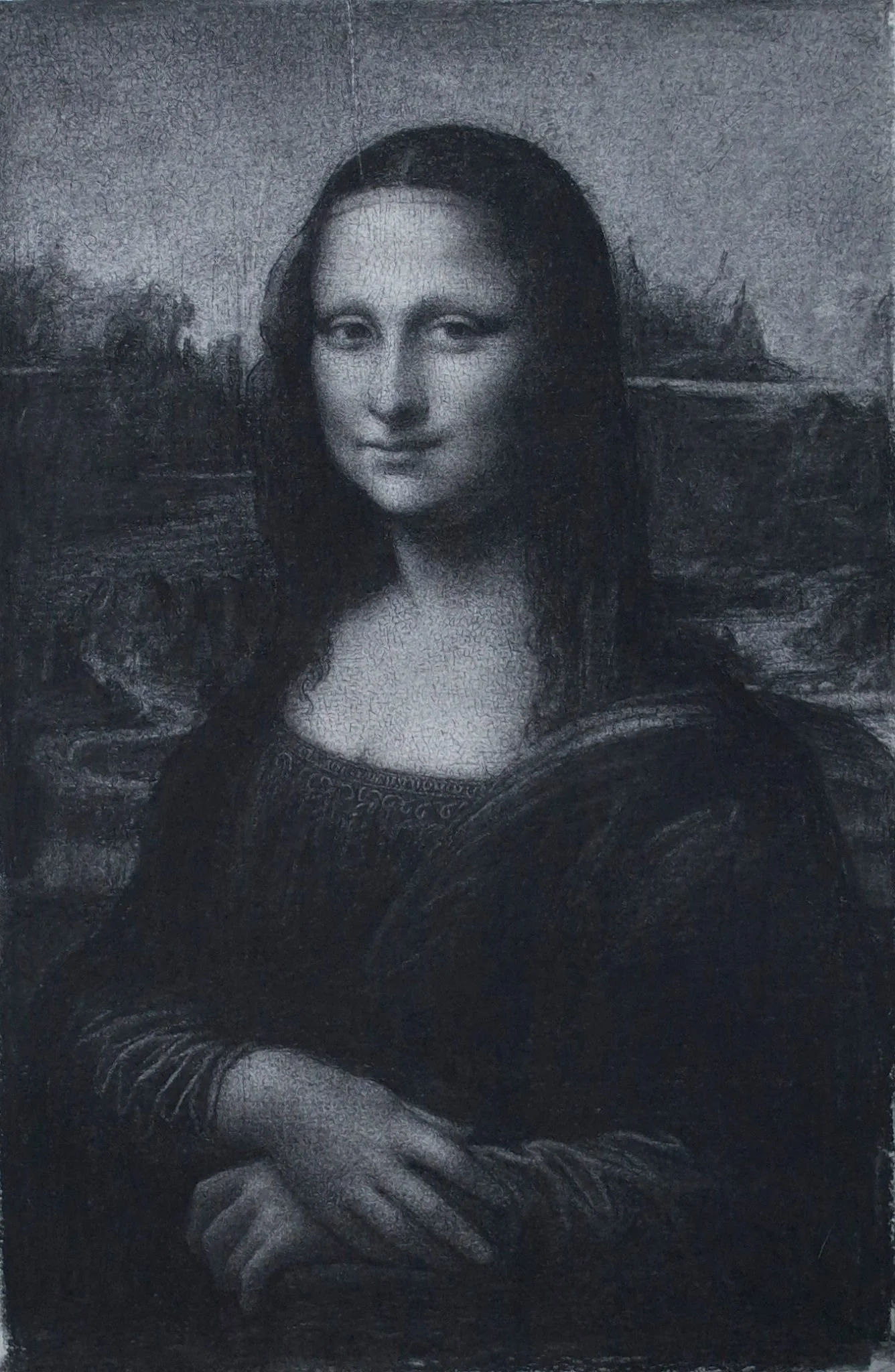
Traditional Drawing Program
By working from classical examples, students master the groundwork to then successfully draw from objects and models. Explore the individual courses of the drawing program below.
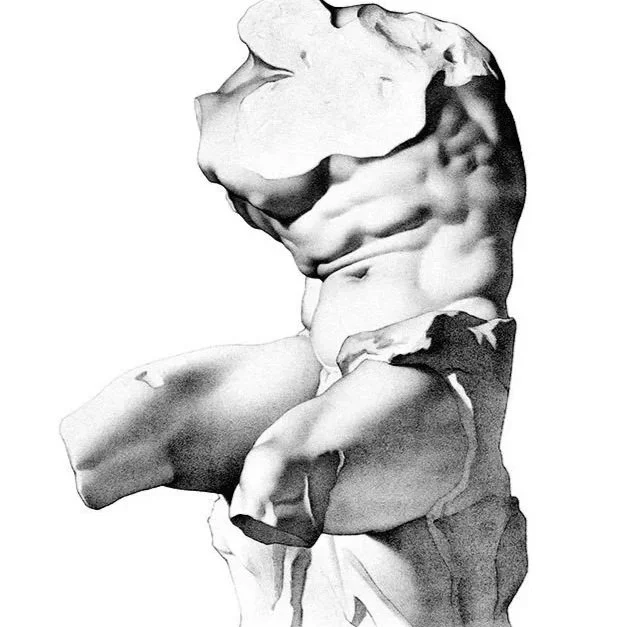
Beginning Drawing - Bargue Plates and Master Copies
This course introduces students to the materials associated with charcoal drawing, as well as the working method to produce sound drawings. This entails the concepts of shape, value, and edge, as well as tools for measuring, such as sight-size, triangulation, and comparative measurement. Students first work from Bargue Plates, creating the same drawings executed in European schools of the 1800's. In the second half of the course students copy master works of inanimate objects, such as still life, building on their skill of isolated object rendering to create completed drawings integrating the subject and surrounding space.
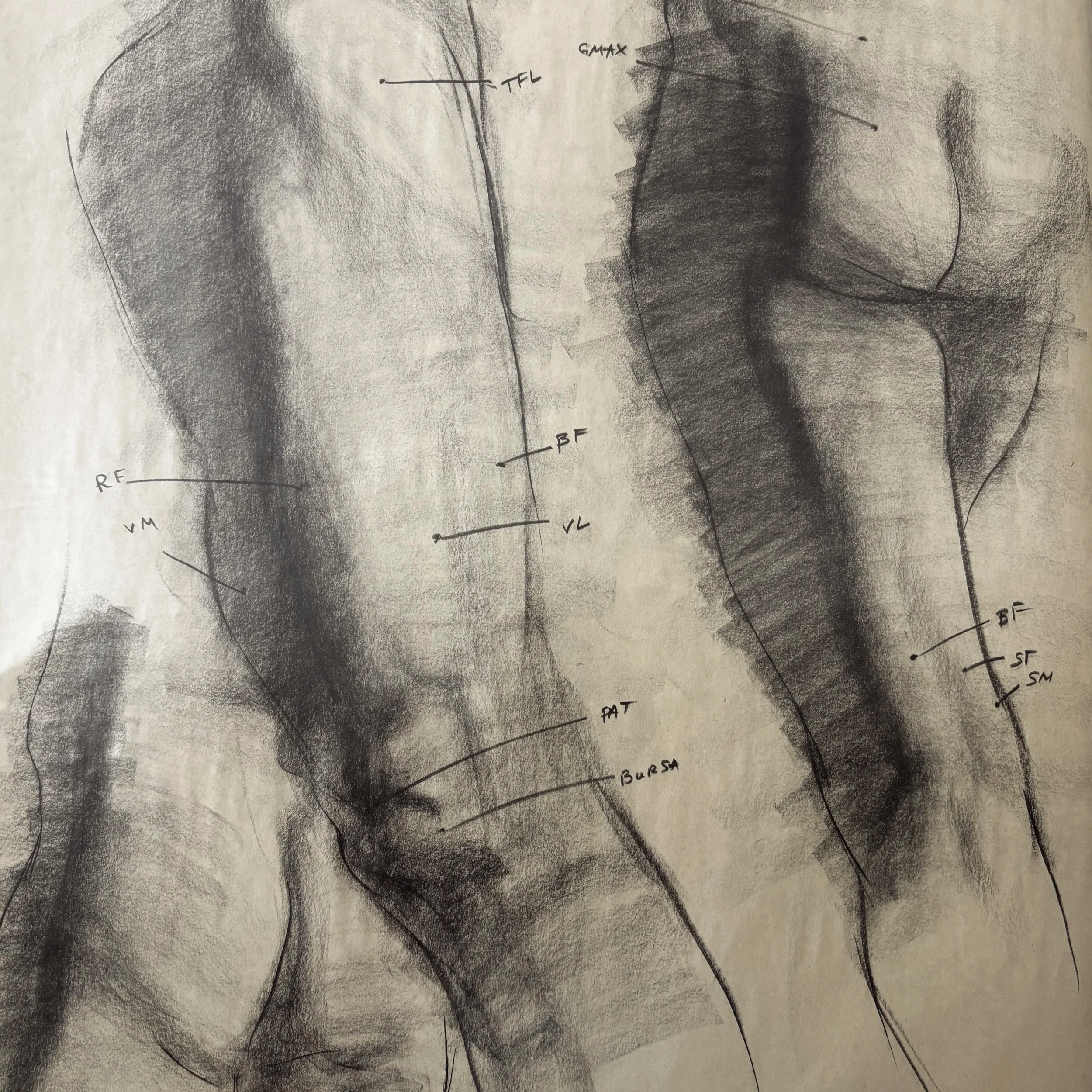
Anatomy/Figure Short Pose
Through lecture, study of selected texts, and working from the model, students explore the structures of the human form. Specialized attention is paid to the most relevant anatomy to the artist, including skeletal, musculature, and perspective of masses and their moveable relationships to one another. Students also study to develop the initial working process for figure drawing through short pose. This becomes the foundation for longer works in future courses. Primary attention is spent learning to apply the techniques acquired from the Bargue/Master Copy Course to a living model.
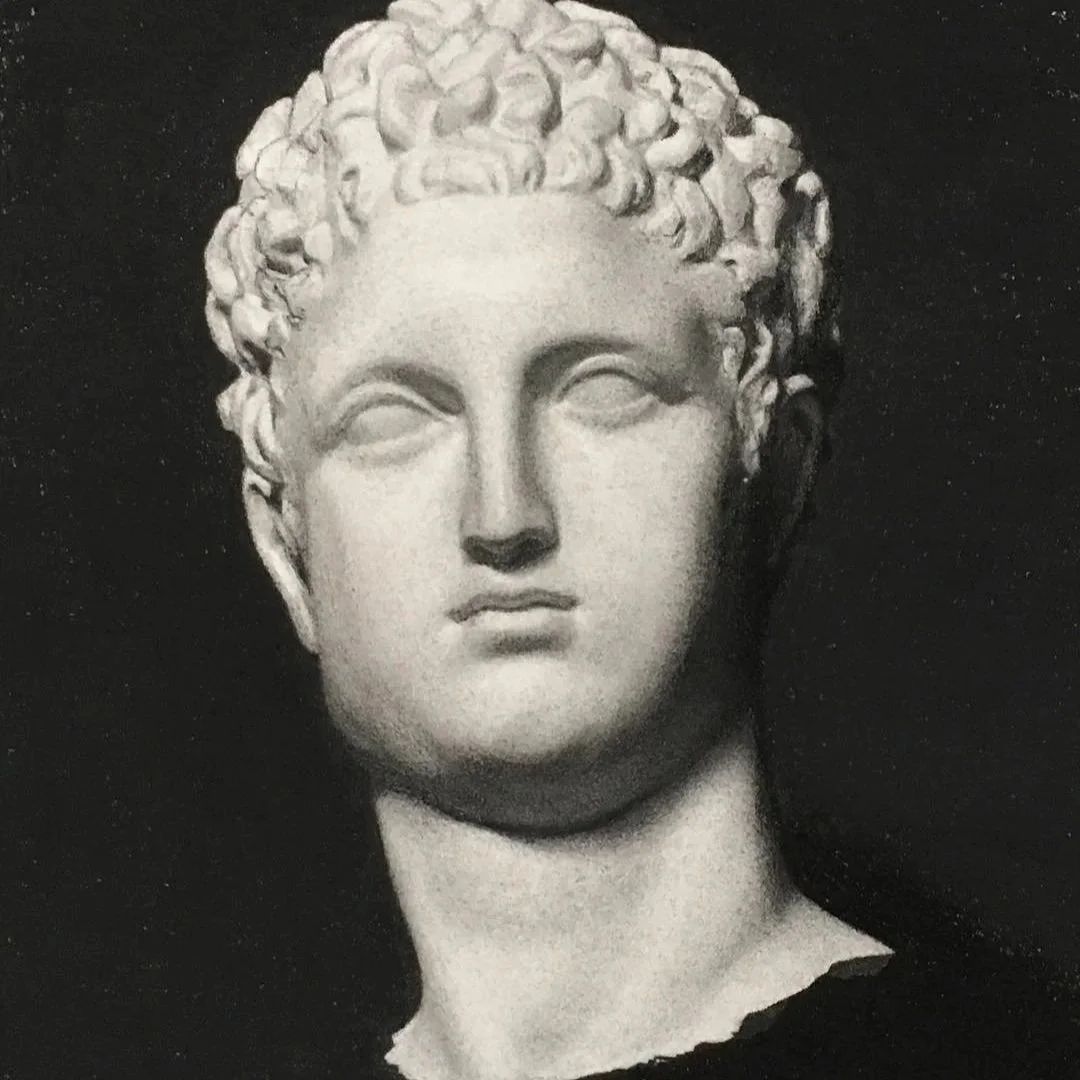
Student work of Danile Gottlieb
Cast Drawing
Working from traditional sculpture casts, students work to translate the realism of three dimensions to a two dimensional surface with charcoal. Upon demonstrating accurate representation of the focal and atmospheric optics, they then proceed to render a more complex cast with the introduction of white chalk to the charcoal. Proper edge work demonstrating an understanding of integrating the subject into the background, accurate translation of the compression of values, and accurate and aesthetically pleasing shape replication are required to demonstrate mastery and advance in the program.
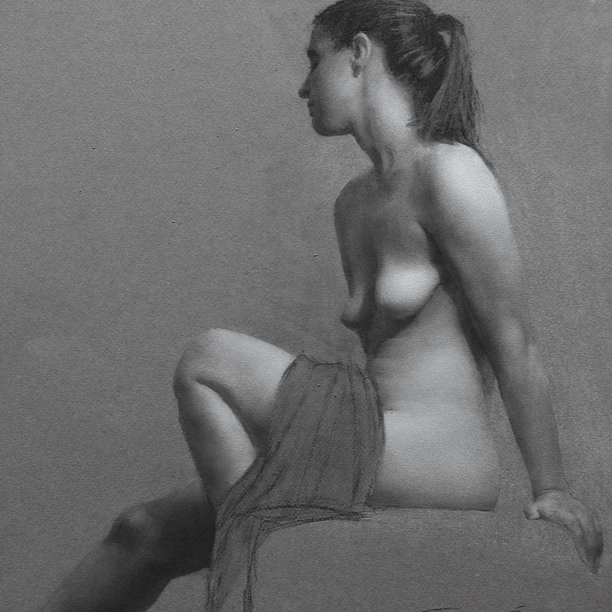
Figure Drawing Long Pose
Applying knowledge gained in the Anatomy/Figure Short Pose course, students work from longer poses to reach advanced articulation of anatomy, edges, and the integration of atmospheric or lighting effects, when appropriate. White chalk is added to the process in the final long pose, and the concept of application of marks to model forms within the figure is used to create more dynamic, sculptural drawings.
Student work of Keaton Clark
Still Life
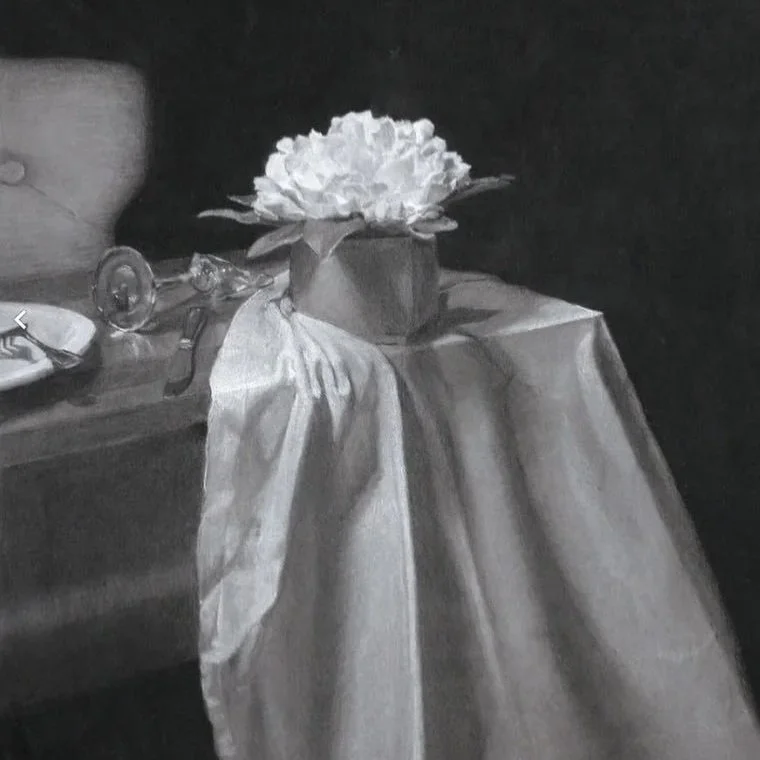
Students work to implement their understanding of shadow anatomy and atmospheric effects, while learning perspective and formal composition to create studies and completed still life drawings. Final works demonstrate an understanding of how to create convincing surface quality illusions while developing form. Students also learn to edit the observed visual information and prioritize selected areas in order to mirror the human visual experience.
Portrait
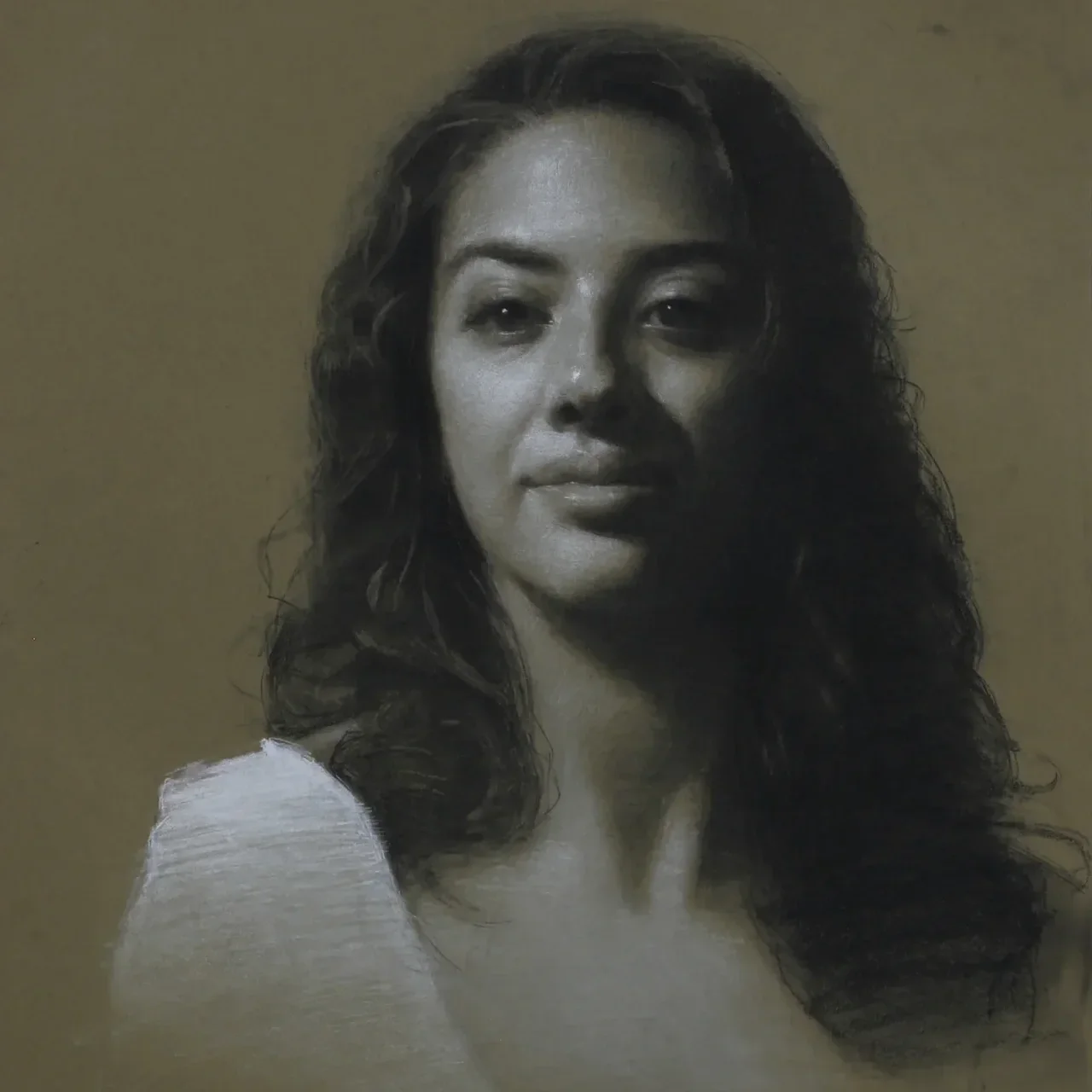
Building on anatomy lessons learned in the first trimester, students explore more specific renderings of features of the face through a variety of studies. Congruent to completing studies, students work to master quick portrait block-ins and occasionally complete alla prima portraits. Students end with long pose portrait, and must demonstrate form building in the lights and proper subordination and atmosphere in the darks, edge qualities accurately reflecting form and texture, and convincing integration into the surrounding field, all while capturing the likeness and naturalness of the model.
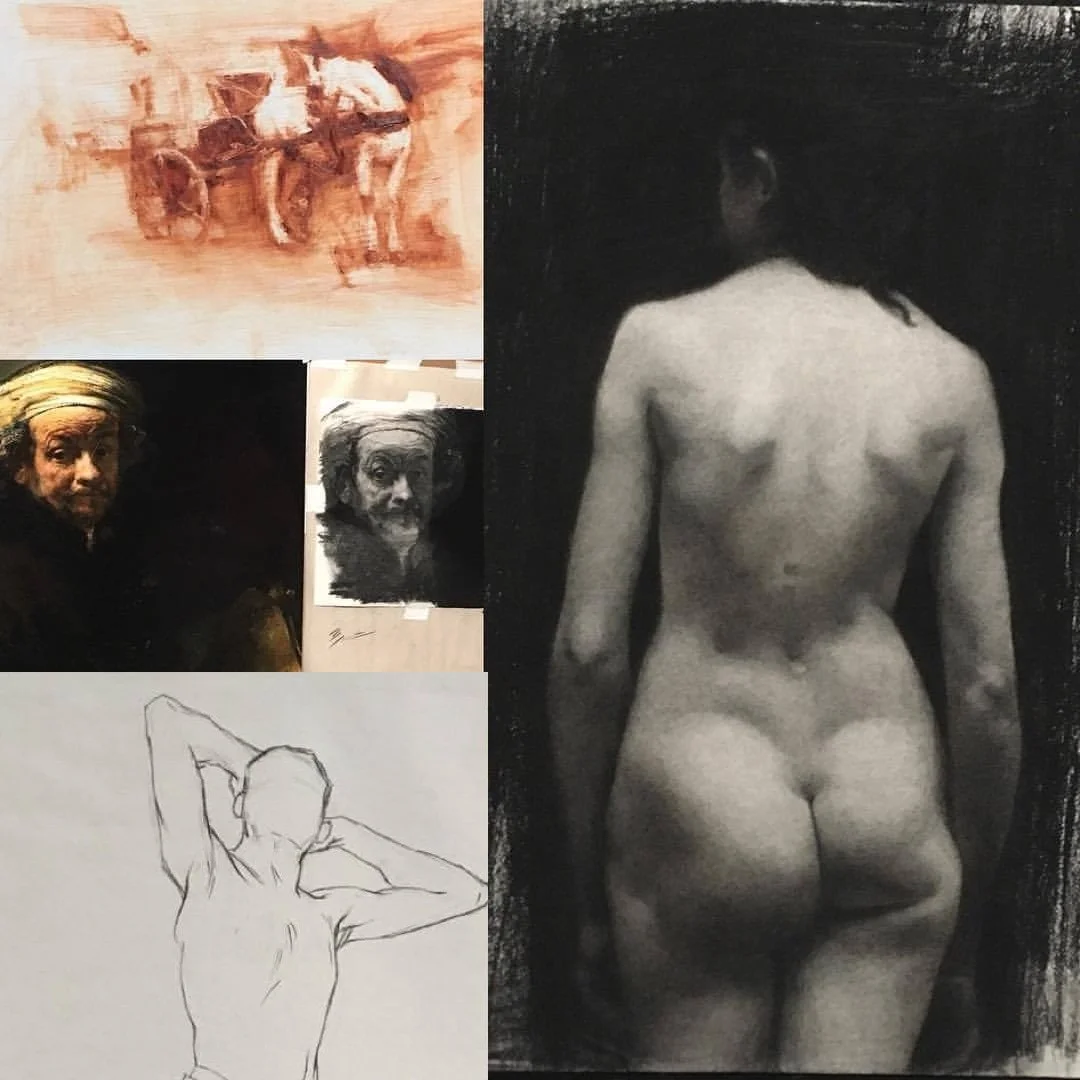
Master Copies by the Students of Timothy Rees