Traditional Painting Program
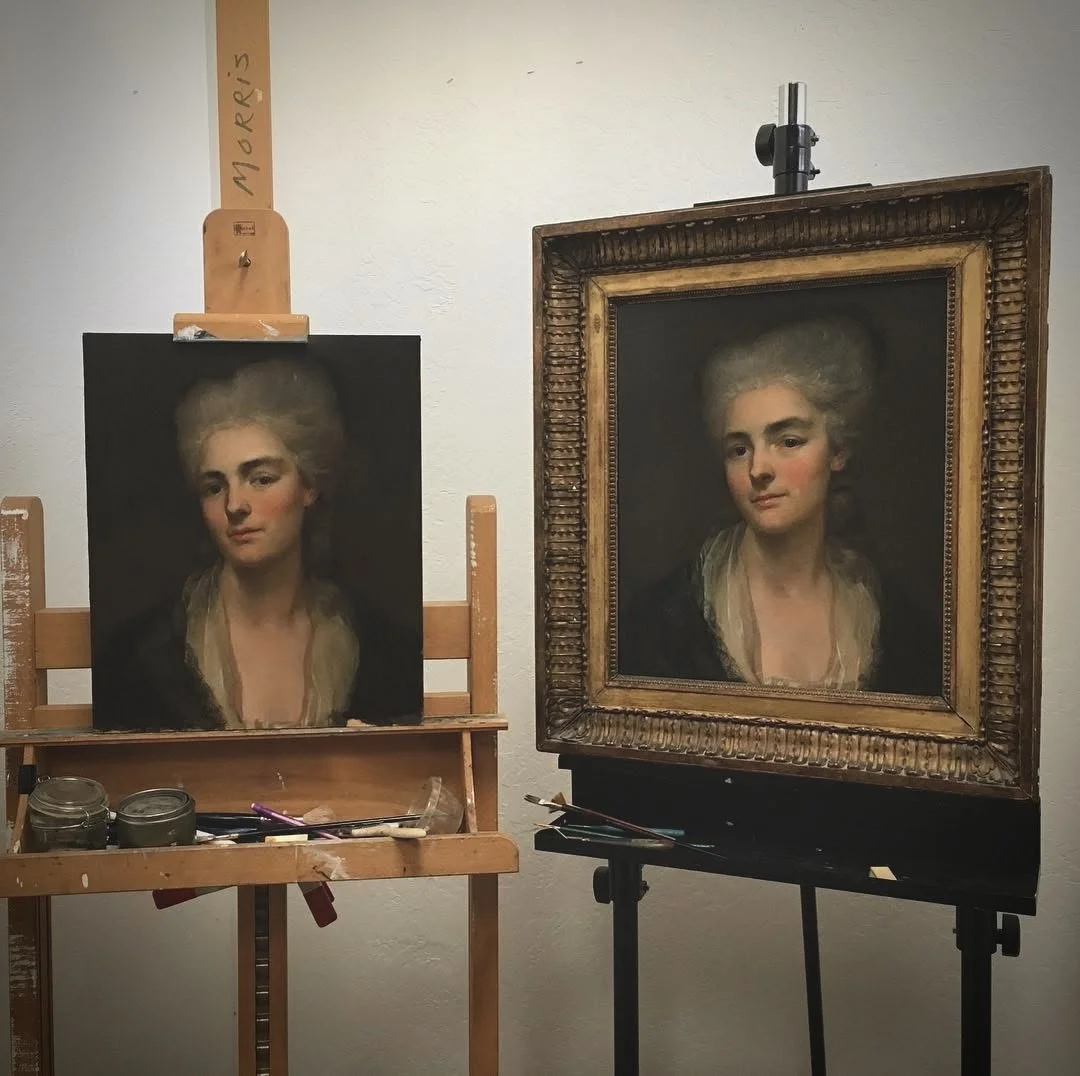
Building on concepts introduced in the Drawing Program, the progression from the study of historical paintings to working from life gives students the skills needed for confident and accurate painting before progressing to the thesis year. Explore the individual courses of the painting program below.
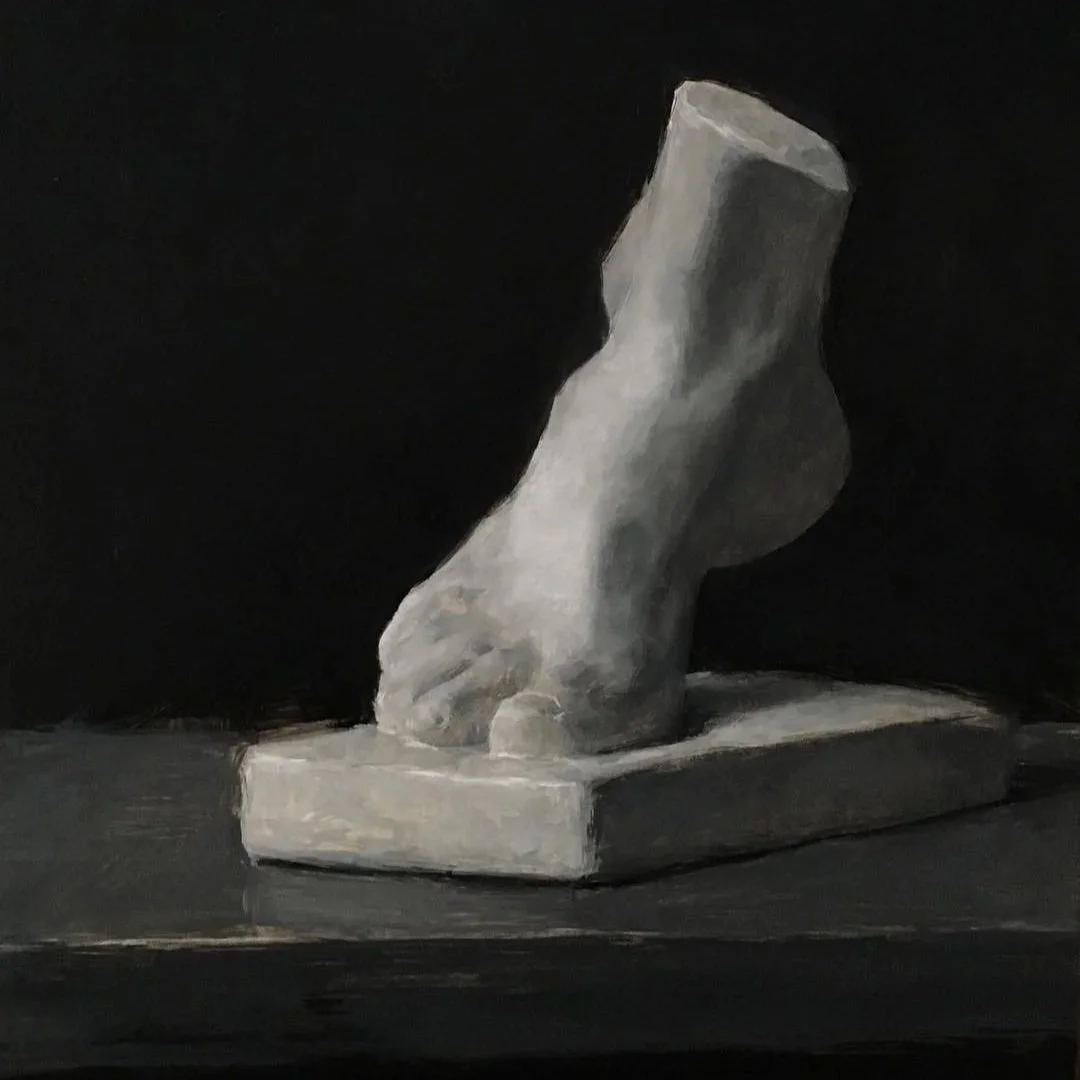
Student work of Morgan LaPlante
Cast Painting
Students transition from drawing to paint through the return to casts. Working first in grisaille, or monochrome, students learn to handle paint through thoughtful mixing and application. Paintings must exhibit the same care for drawing, including its accuracy and delicacy of shape, while working with paint. They must also exhibit a cohesive atmosphere and integration into the surrounding space, with time spent learning to manipulate edge quality in paint. Advancing through the course, students will be introduced to a limited color palette, demanding new control of mixing to achieve the subtlety of color expressed on a white surface. As with the grisaille, the final painting must express proper surface quality, development of form, and a believable description of light and atmosphere within a cohesive scene.
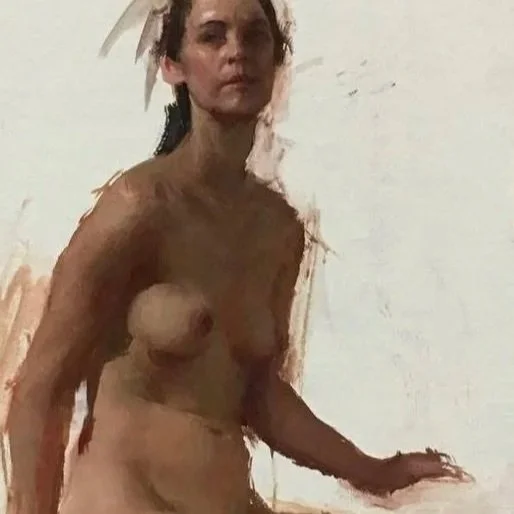
Limited Palette Figure Painting
Beginning with a grisaille palette, then advancing to a limited palette, students complete a series of exercises and paintings intended to deepen their understanding of paint application and its use to create the observed forms of a model. Paint application to achieve specific textural qualities associated with the figure are explored. Toward the end of the course, working in limited palette, students begin to learn concepts of turning form with color to achieve more descriptive anatomy while preserving design associated with clear value organization.
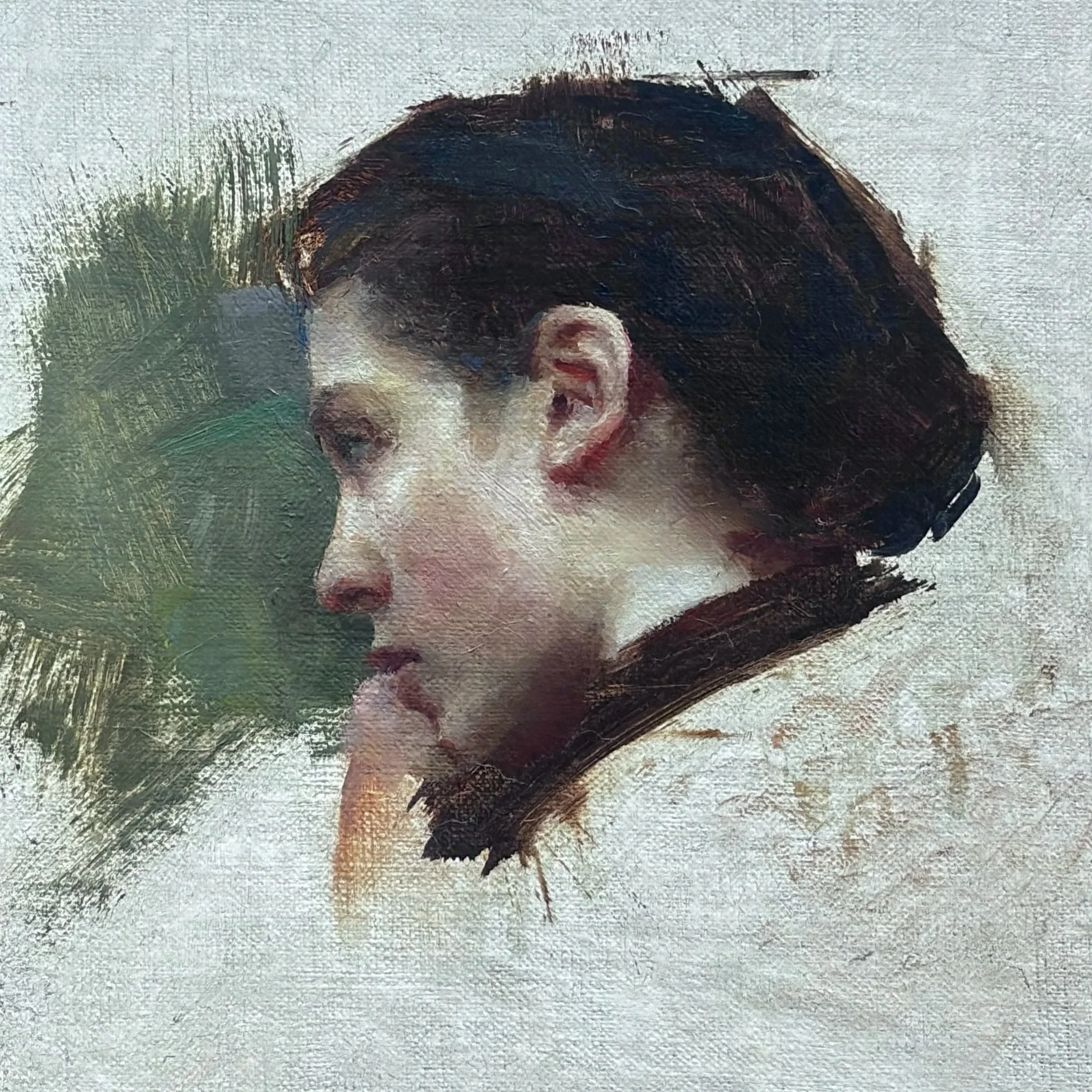
Master Copy Painting
Technique is best learned by observing successful examples, and copying master works in monochrome, limited, and full palette will immediately cultivate painting skills. Students will learn to visually dissect a historical painting to uncover the use and relevance of open grisaille, closed grisaille, ebauche, and direct color palette paintings. Copying master paintings furthers the study of technique and composition, though the primary focus for students is the replication of paint application and color choices. Replicating an image is less relevant than the ability to “work in the artist’s hand”. Successful completion of each copy is contingent on the possibility of the copy to have been painted by the original artist.
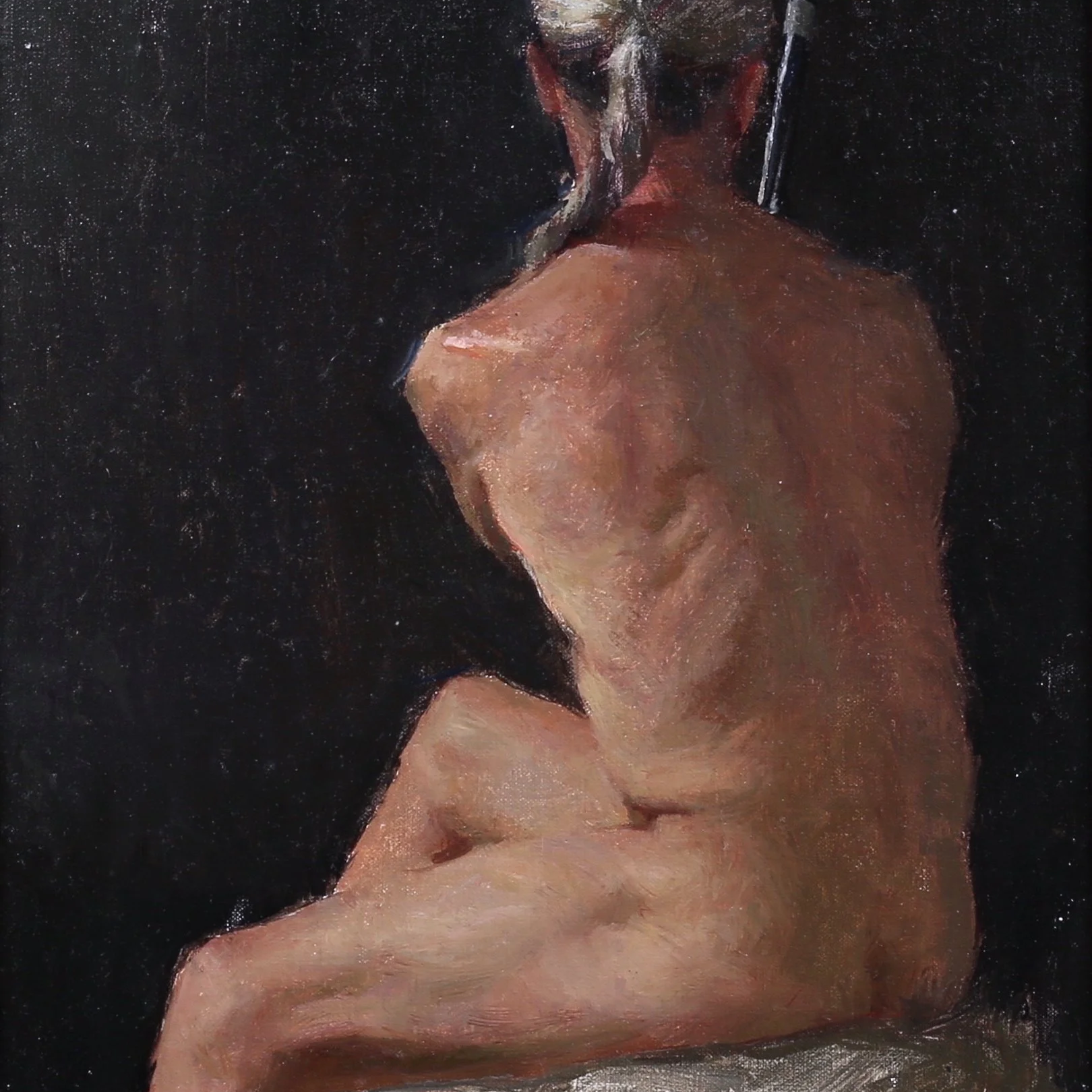
Full Palette Figure Painting
Applying knowledge gained in the Limited Figure Painting course, students now incorporate a full color palette approach to painting the model. Organization, atmoshpere, and basic structure will be described through values, while nuanced form modeling, lighting, and optic effects are described through the variation of color. Students will learn to evaluate a variety of lighting conditions on various models, and the implications they have on the appearance of skin colors. Successful final paintings incorporate the figure into space, demonstrate a sense of overall and specific anatomical forms, and replicate the illusion and intensity of light observed on the model.
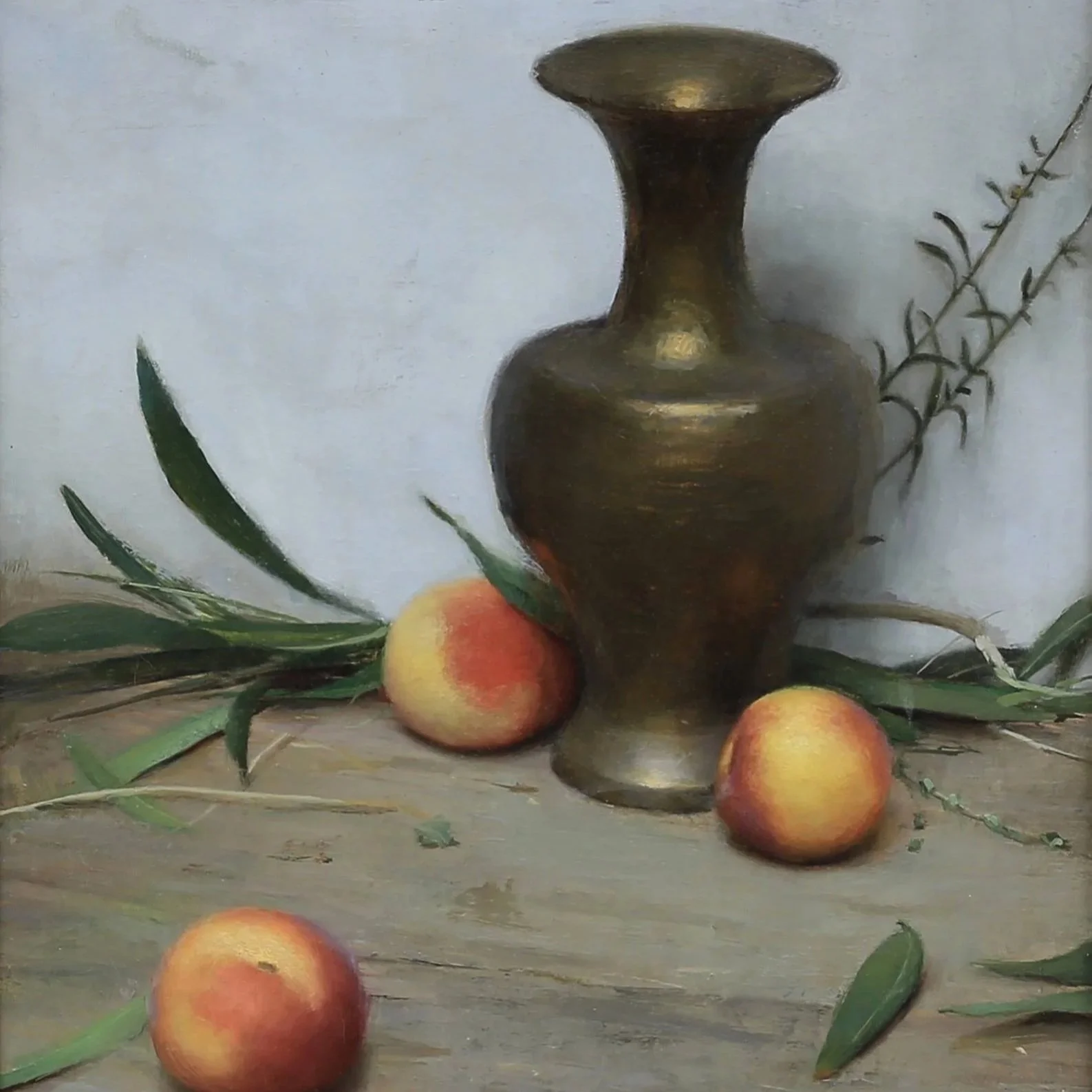
Still Life
This course has students utilizing formal design to create their unique still life. They are now tasked with translating the observed visual information onto a flat canvas, in full color, while maintaining the illusion of color, light, atmospheric, and textural effects. Edge quality and paint application should mirror those achieved in the master copy course.
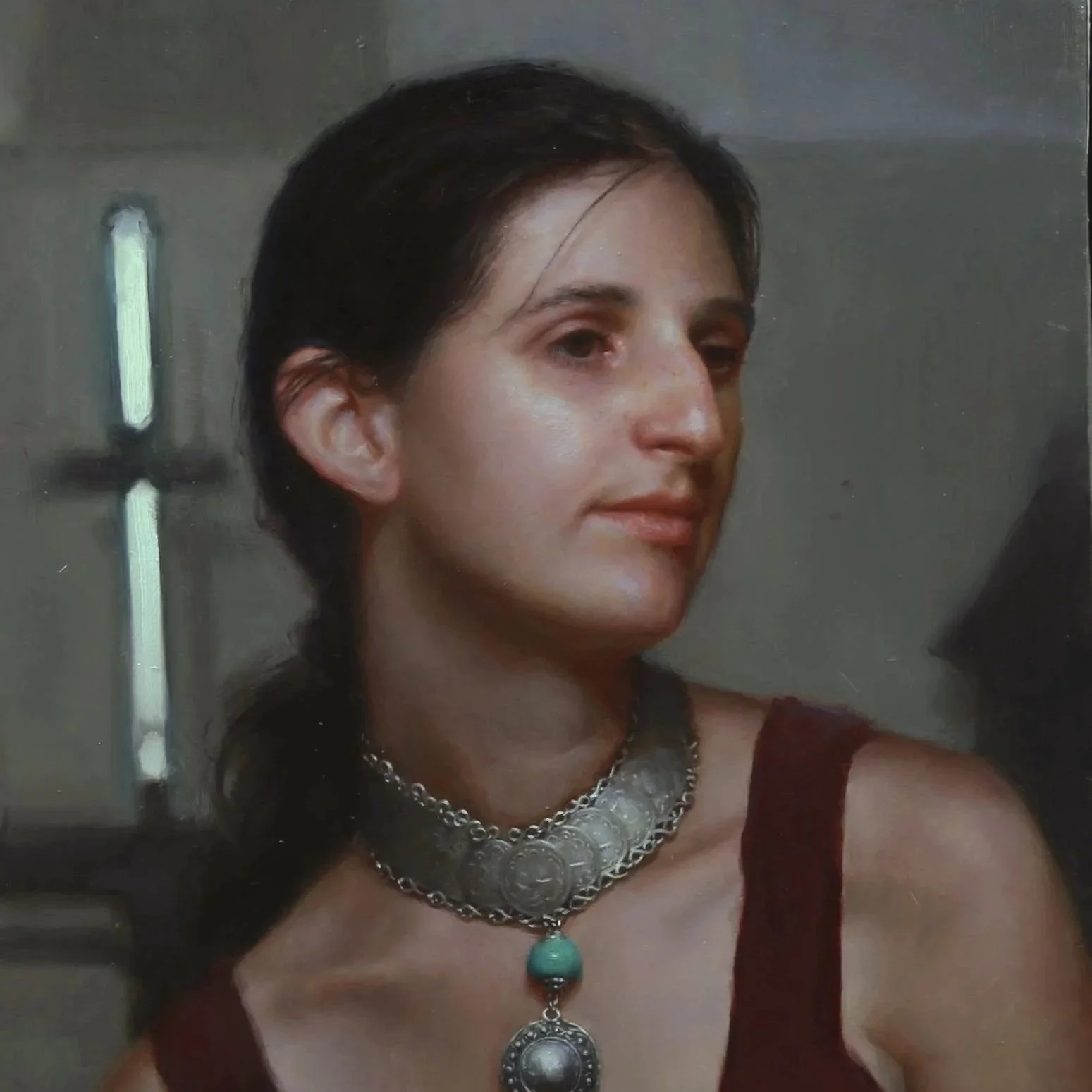
Portrait
Through a series of exercises, including color sketches, block-ins, and alla prima, students work toward the creation of a convincing, non-static long pose portrait. The portrait should exhibit not just a likeness of the sitter, but be indicative of the psycology of the sitter. Composition should reflect an understanding of formal portraiture design. The final work will believably incorporate the sitter into space and demonstrate an understanding of paint manipulation to achieve atmosphere, optical, and textural effects.
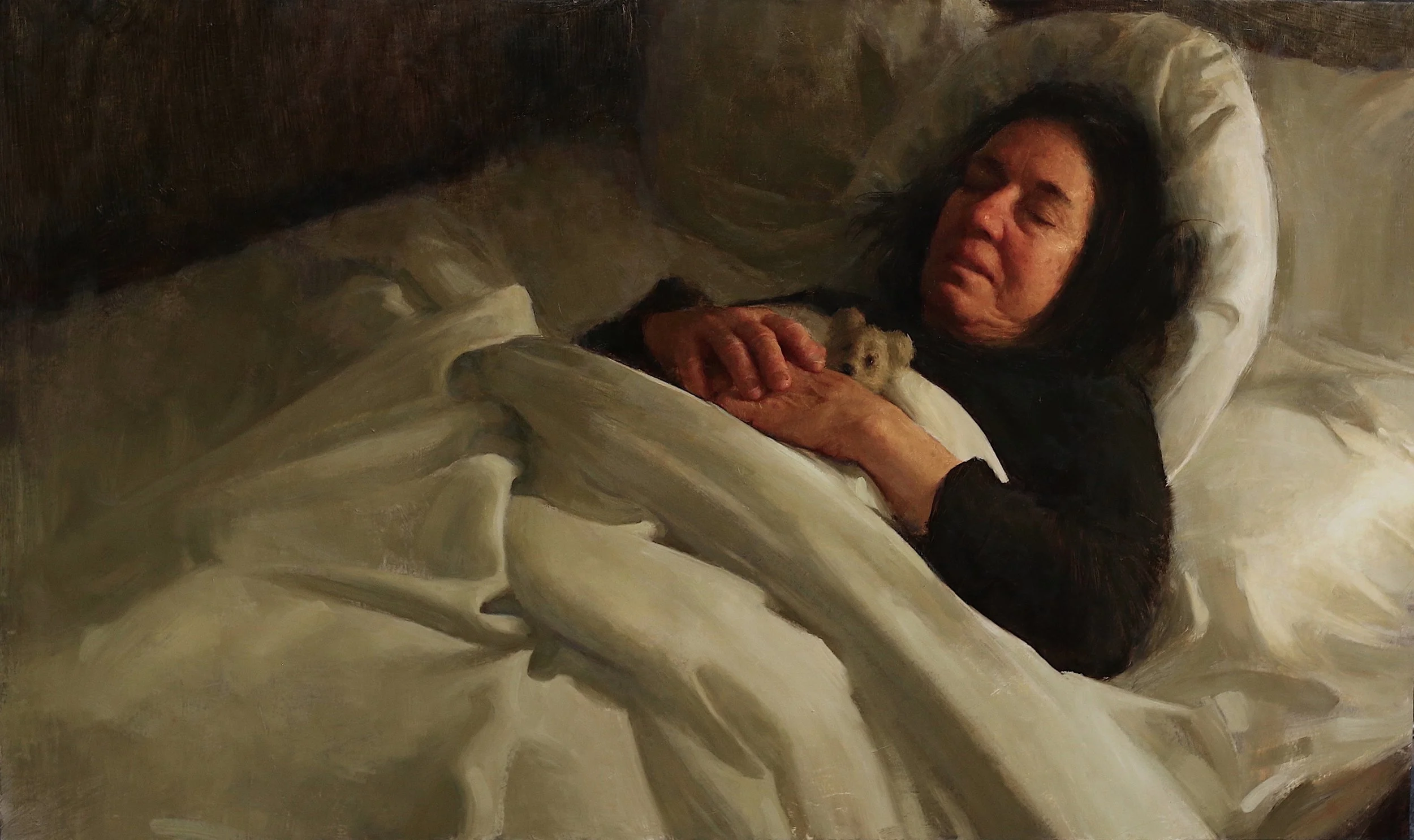
“Things We Take With Us When….” by Timothy Rees